

Sugargoo Spreadsheet for Choosing What Belongs in Your Order
A Sugargoo spreadsheet is a starting point for finding products. The next step is deciding which of those products deserve a place in your order. A useful shortlist makes it clear what you want, why it suits the purchase and which detail you need to confirm before spending money.
Sugargoo is a shopping-agent service for buying from sellers in China and arranging warehouse and international-delivery steps. This website combines product discovery with explanations of those steps. Our shopping links take you to OGSpreadsheet; the articles help you work through the decisions around a purchase without creating an order here.
Know which website you are using
A search for the Sugargoo website can bring you to several kinds of page. This one helps with discovery and buying decisions; it is not the screen that manages your Sugargoo balance or an existing order. Check the address and purpose before supplying private information. A recommendation using “Sugar” as shorthand should be connected to an identifiable Sugargoo reference rather than treated as proof that every result with that name is the same service.
For Sugargoo mobile browsing, save the option before leaving a product page. A phone screenshot may capture the main picture but leave out the selected size, quantity or version. Put those details beside the link in a short note so that you can recognise the choice when reopening it on another device.
If a product table extends beyond the screen, check the complete row before copying an amount. Make sure the image, option and price still refer to the same candidate after scrolling. Mobile browsing can help you collect ideas, but the final purchase summary still needs a deliberate check before payment.
Find a category then narrow the choice
Start with an item you can describe in practical terms. “A zipped layer to wear over my everyday tee” is easier to shop for than “something good”. The purpose gives you a reason to compare openings, measurements and shape instead of relying on a striking photograph.
Explore hoodies and sweaters, T-shirts and tops, shoes or pants and shorts. For outer layers, browse jackets; for finishing details, open accessories.
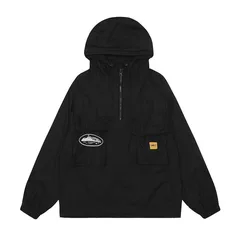
As one concrete candidate, view the black full-zip hoodie listing. Inspect the current option and compare the relevant measurements. Its photograph can show the design, but it does not establish warmth, fabric weight or how it will fit you.
For specific starting points, use the ASICS shoe guide, Nike and Nike Tech guide, Ralph Lauren and Lacoste polo comparison or Essentials hoodie guide. They connect design references with the questions to ask about an actual offer.
Give each saved item a job
Keep a brief reason with the product link. That might be replacing a worn item, matching something you already own or trying a different shape. Then note the selected colour, size and quantity, plus the one question most likely to change your choice.
For example, if you need room for another layer, confirm a comparable chest measurement. If a listing shows a set, establish which pieces belong to the selected option. Saving that question is more useful than adding another unexplained thumbnail to the list.
Use the best Sugargoo spreadsheet guide when deciding which collection makes this work easiest. Use Sugargoo spreadsheet links when you need to recognise an item after its page or address changes.
Understand the order before moving ahead
There are several decisions between a product idea and a delivered parcel:
- Identify the product and the option you want.
- Check the purchase summary, payment amount and applicable conditions.
- Inspect the item information available after warehouse arrival.
- Choose packing and compare suitable delivery services for the parcel.
- Follow the shipment using its parcel reference.
The Sugargoo spreadsheet guide explains this sequence in detail. QC photos are useful at the item-checking stage, while shipping guidance deals with parcel inputs and separate cost lines. The amount displayed beside a product is not automatically the total cost of receiving it.
Use recommendations without surrendering the decision
A report from another buyer can suggest a measurement, a view to request or a question about delivery. It cannot select your option or confirm the conditions of your transaction. The spreadsheet review guide explains how to judge the scope of those reports, and the safety guide covers destinations, payment requests and private information.
You can use this approach for one product. A larger catalogue is useful because it offers choices, not because you need to buy enough items to fill a parcel. Keep the candidates that serve your purpose and leave the rest for another time.
Find the rest of the buying guides
Browse all articles by topic and language for category-specific advice and the next stage of your order. The directory also makes it easier to return to a guide you have already used.
Ask whether the comparison is genuinely like for like
If two garments have different cuts, a shared size label may conceal a substantial difference. If one offer contains a single piece and another a set, compare the relevant package rather than just the displayed amounts.
The size guide explains measurement methods. The product-link guide explains why the selected option should stay attached to the URL. When essential information is missing, identify it as a purchase question instead of assuming that a familiar name supplies the answer.